Medical-Grade Skincare in Eastern Ontario
À Dr Lian Beauté, we offer physician-guided medical-grade skincare products from trusted professional brands, including EltaMD®, PCA Skin®, Mesoestetic®, Dermaceutic®, and B.E. Beautiful Energy by Cynosure®. These products are selected to help address common concerns such as acne, hyperpigmentation, dryness, sensitivity, and visible signs of aging.
Medical-Grade Skincare by Skin Concern
Every person’s skin is different, but most skincare concerns tend to fall into a few common categories. Understanding your primary concern can help narrow down which products and ingredients may be most relevant to your skincare routine.
Skincare for Sensitive Skin
Sensitive skin can be affected by a variety of factors, including environmental exposure, cosmetic treatments, aging, and the use of active skincare ingredients.
When selecting skincare for sensitive skin, many patients benefit from routines that focus on supporting the skin barrier while minimizing unnecessary irritation.
At Dr. Lian Beauty, products commonly recommended for sensitive skin concerns may include:
- EltaMD® UV Clear SPF 46
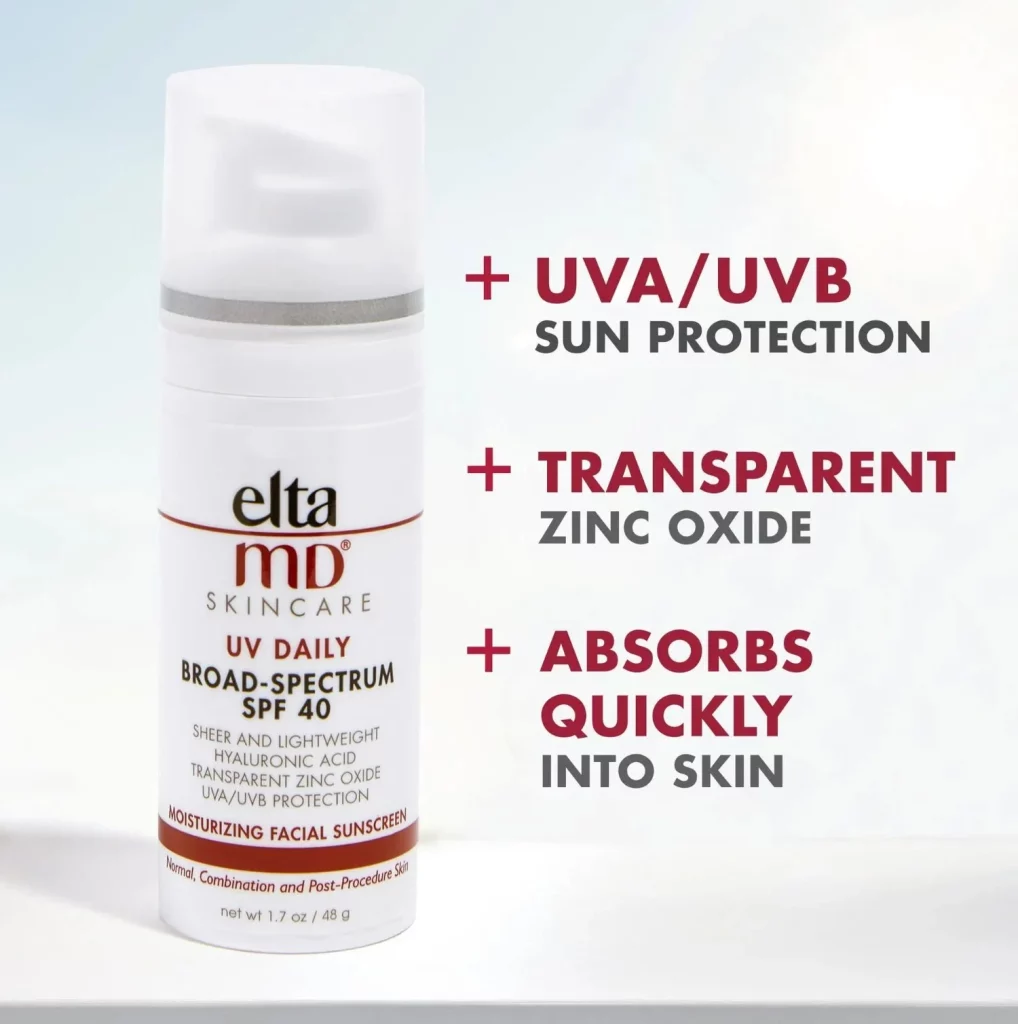
- EltaMD® UV Daily SPF 40
- B.E. Beautiful Energy Calm & Renew Serum
- Mesoestetic Melan Recovery
These products contain ingredients such as niacinamide, hyaluronic acid, peptides, and moisturizing agents that are commonly used in skincare routines focused on hydration and barrier support.
Patients undergoing cosmetic treatments may also require temporary adjustments to their skincare routine depending on the treatment performed.
Skincare for Acne-Prone Skin
Acne is one of the most common skin concerns treated in medical aesthetics and dermatology.
While skincare alone may not address every cause of acne, certain ingredients are commonly incorporated into acne-focused skincare routines.
Examples include:
- Azelaic acid
- Niacinamide
- Retinoids
- Salicylic Acid
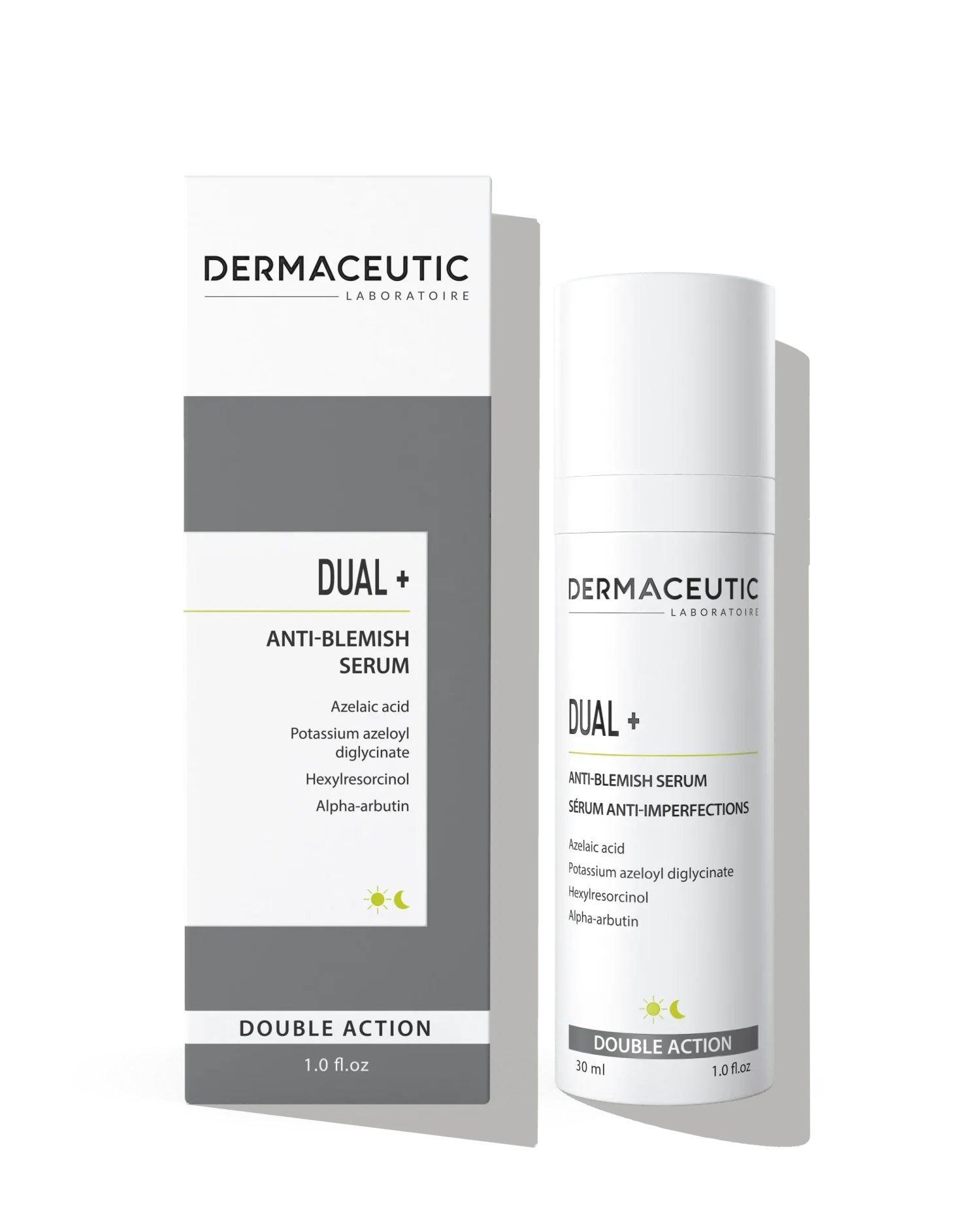
Products available through our clinic that may be incorporated into acne-focused skincare routines include:
- Dermaceutic® DUAL+
- EltaMD® UV Clear SPF 46
- Mesoestetic Purifying Mousse
- PCA Skin® Intensive Clarify Retinol Solution
Many acne patients are also concerned about post-inflammatory hyperpigmentation, acne marks, and skin texture changes. In these cases, skincare may be combined with treatments such as Potenza® RF Microneedling based on individual assessment and treatment goals.
Skincare for Hyperpigmentation
Hyperpigmentation refers to areas of skin that appear darker than the surrounding skin. Common examples include:
- Sun spots
- Post-inflammatory hyperpigmentation
- Teint irrégulier
- Mélasma
A variety of ingredients are commonly used in pigmentation-focused skincare products, including:
- Tranexamic acid
- Niacinamide
- Alpha-arbutin
- Azelaic acid
- Licorice root extract
Examples of products offered at our clinic that contain ingredients commonly used in pigmentation-focused routines include:
- Rejuva’s Kligman’s Formula with hydroquinone, retinoic acid and triamcinolone
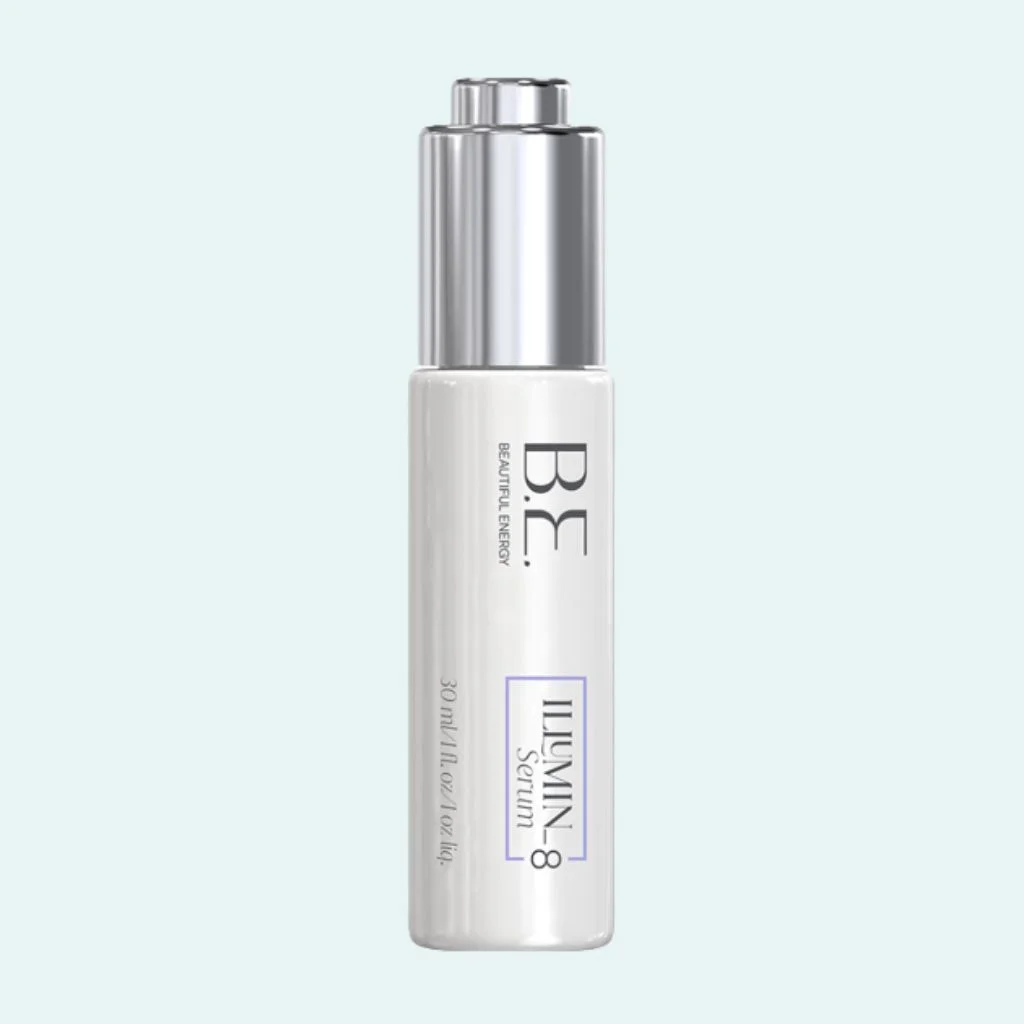
- B.E. Beautiful Energy Illumin-8 Serum
- Rejuva TAC with tranexamic acid, retinoic acid, niacinamide, and vitamin c
Because ultraviolet exposure can contribute to pigmentation concerns, daily sunscreen use is often an important component of pigmentation management routines.
Anti-Aging Skincare
As skin ages, natural changes occur in hydration, elasticity, collagen content, and overall skin appearance.
While skincare cannot replicate the results of cosmetic procedures, many anti-aging skincare products contain ingredients that are widely used to support skin quality and hydration.
Examples include:
- Hyaluronic acid
- Peptides
- Retinoids
- Antioxidants
- Bakuchiol
Products available at our clinic that contain some of these ingredients include:
- Mesoestetic® HA Densimatrix
- PCA Skin® C&E Advanced
- PCA Skin® Retinol Products
- B.E. Beautiful Energy Illumin-8 Serum
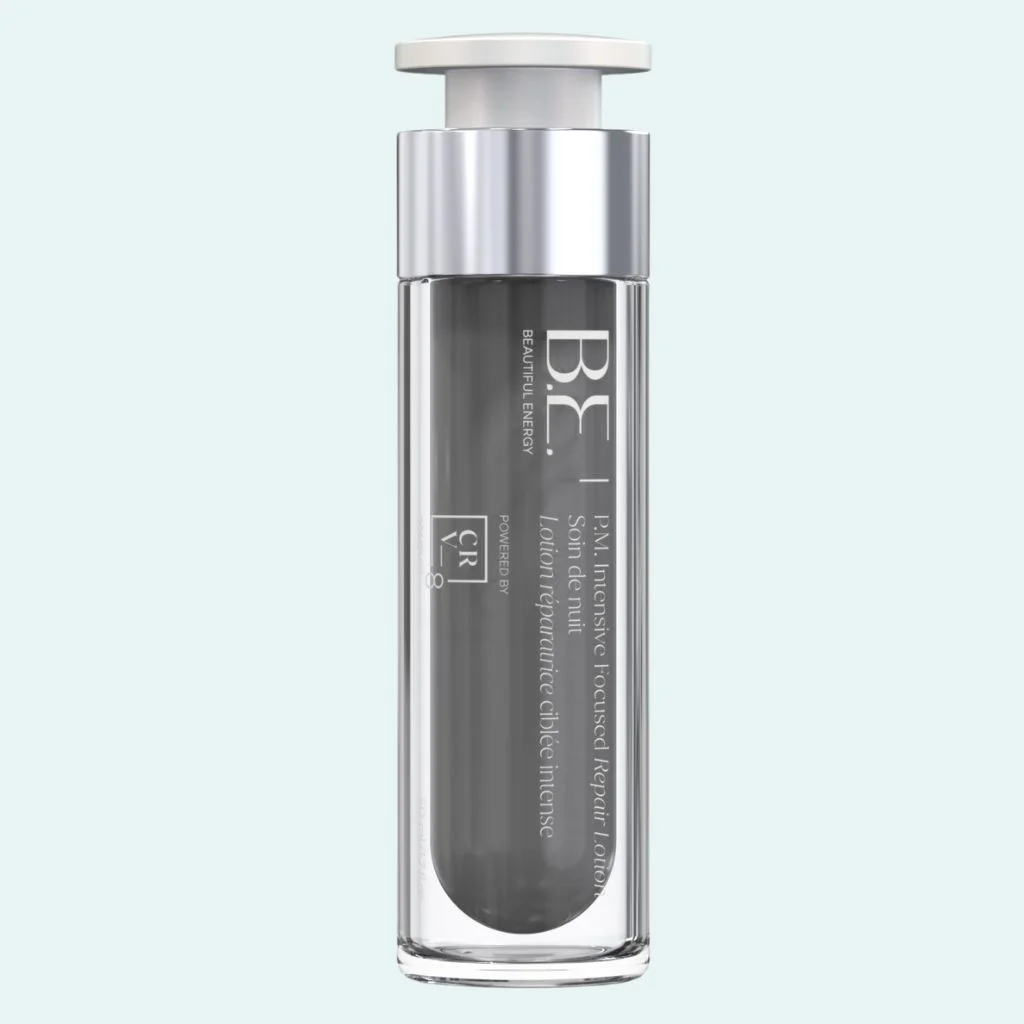
- B.E. Beautiful Energy PM Intensive Focused Repair Lotion
For patients with concerns related to skin laxity, rides, texture changes, or photoaging, skincare may be used alongside treatments such as LaseMD ULTRA Laser Resurfacing, Microneedling RF Potenza, or XERF RF Skin Tightening.
Skincare for Dry and Dehydrated Skin
Dry skin and dehydrated skin are often discussed together, but they are not always the same.
Many patients notice symptoms such as:
- Tightness
- Flaking
- Rough texture
- Dull appearance
Hydration-focused skincare products commonly use ingredients such as hyaluronic acid and moisturizing agents designed to help improve skin comfort and support the skin barrier.
Products frequently selected for hydration-focused skincare routines include:
- Mesoestetic® HA Densimatrix
- PCA Skin® Hyaluronic Acid Overnight Mask
- B.E. Beautiful Energy Ultra-Hydrating Face & Eye Cream
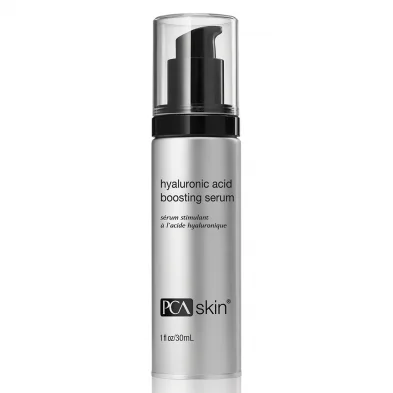
- PCA Skin® Hyaluronic Acid Boosting Serum
For patients undergoing cosmetic treatments, maintaining hydration may also help support overall skin comfort during the recovery process.
Featured Medical-Grade Skincare Brands
At Dr. Lian Beauty, we offer a curated selection of professional skincare brands that address a variety of skin concerns. Each brand has its own strengths, formulations, and areas of focus.
EltaMD®
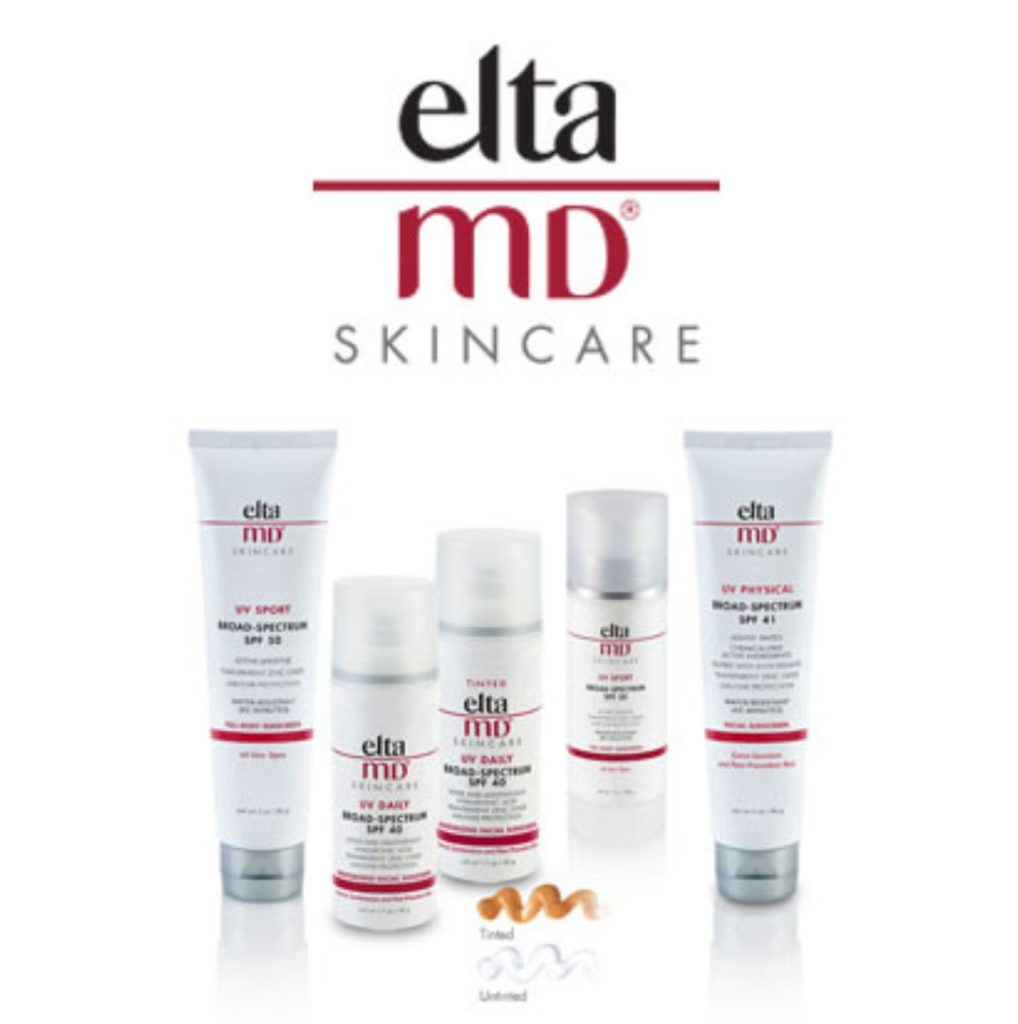
EltaMD is known primarily for its sunscreen products, including formulations designed for sensitive, acne-prone, and rosacea-prone skin.
Many EltaMD sunscreens use zinc oxide-based UV protection and are commonly incorporated into daily skincare routines.
B.E. Beautiful Energy by Cynosure®
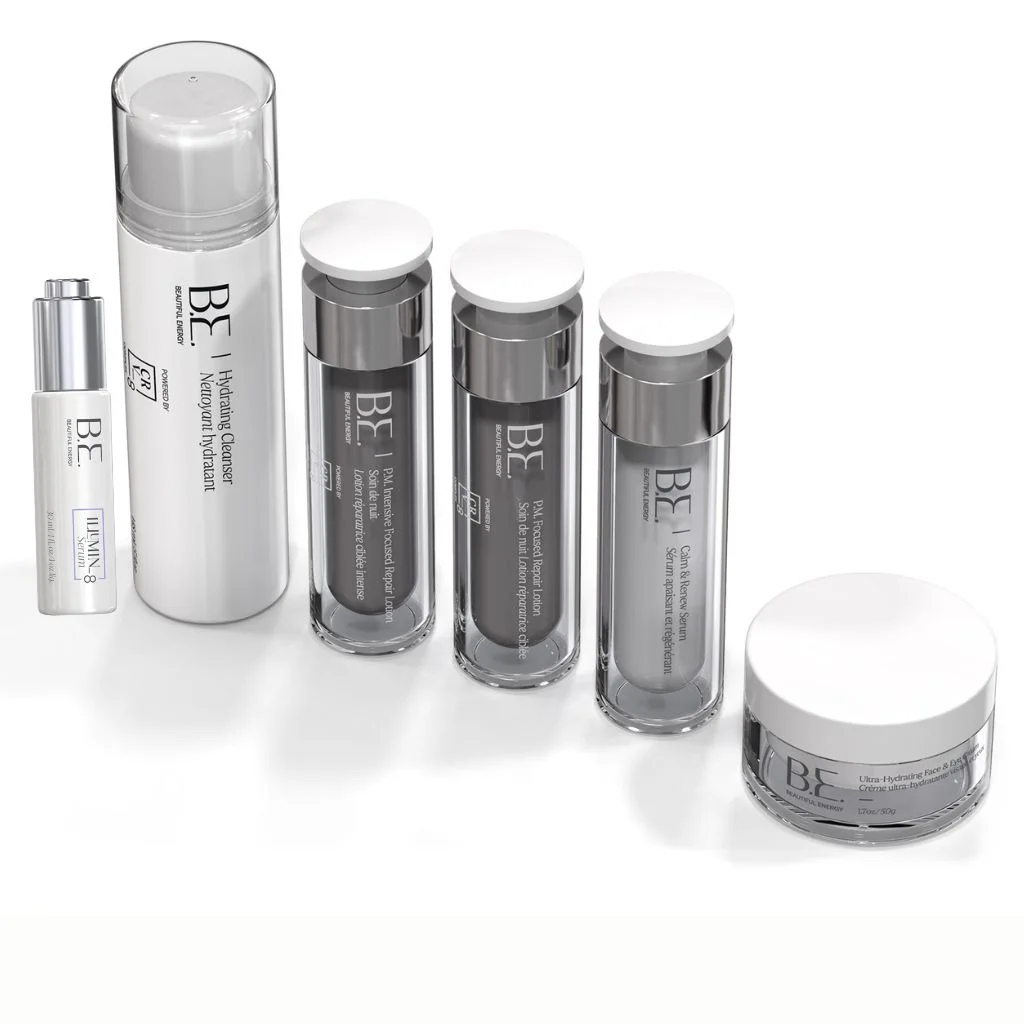
B.E. Beautiful Energy was developed to complement laser and energy-based aesthetic treatments
The line incorporates ingredients such as peptides, hyaluronic acid, resveratrol, niacinamide, and tranexamic acid depending on the product.
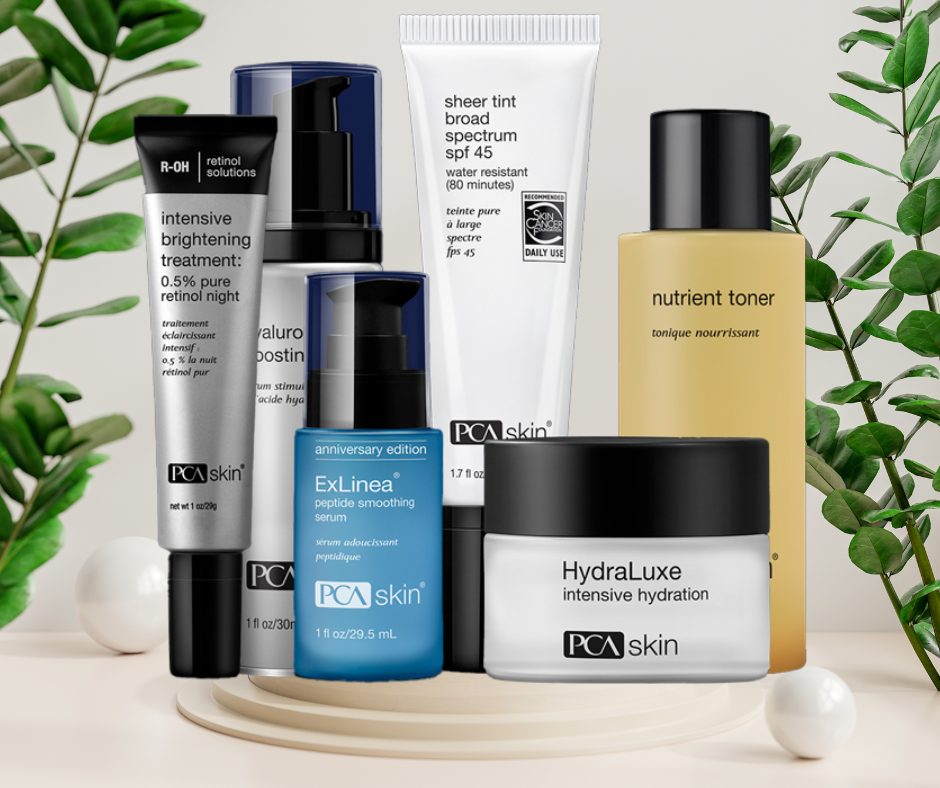
PCA Skin®
PCA Skin offers products designed to address concerns such as acne, aging, hydration, pigmentation, and skin sensitivity.
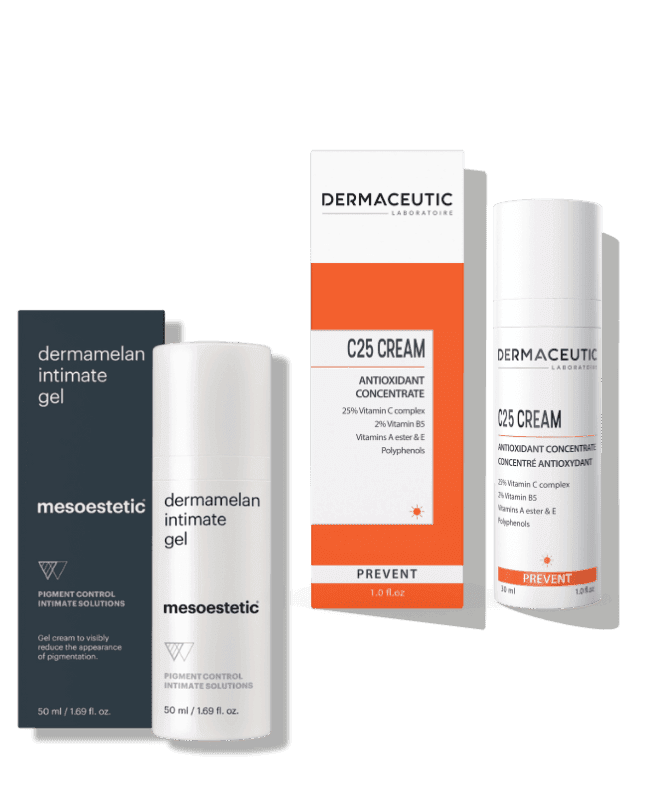
Mesoestetic®
Mesoestetic offers products commonly used for hydration, pigmentation concerns, and skin renewal.
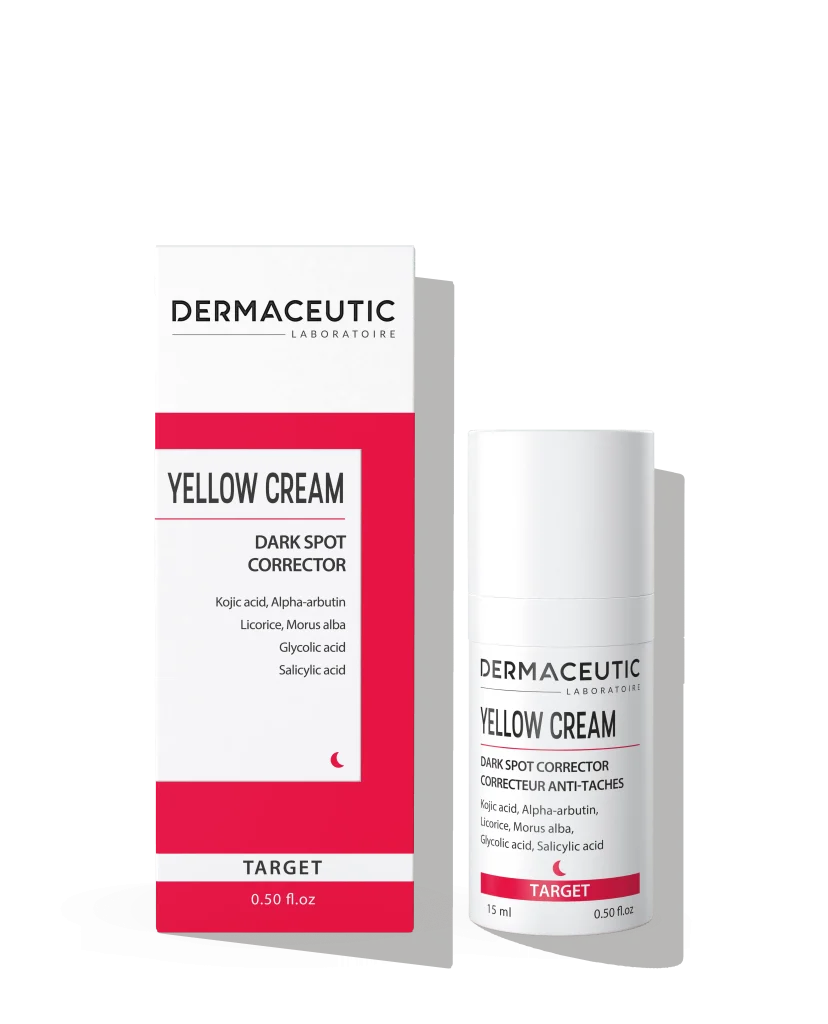
Dermaceutic®
Dermaceutic products are commonly used in routines focused on acne, pigmentation, skin renewal, and retinol-based skincare.
Medical-Grade Skincare and Cosmetic Treatments
Skincare and cosmetic treatments are often most effective when viewed as complementary parts of a broader skin health strategy.
While professional treatments may address specific concerns, skincare products are often used to help support and maintain treatment results over time.
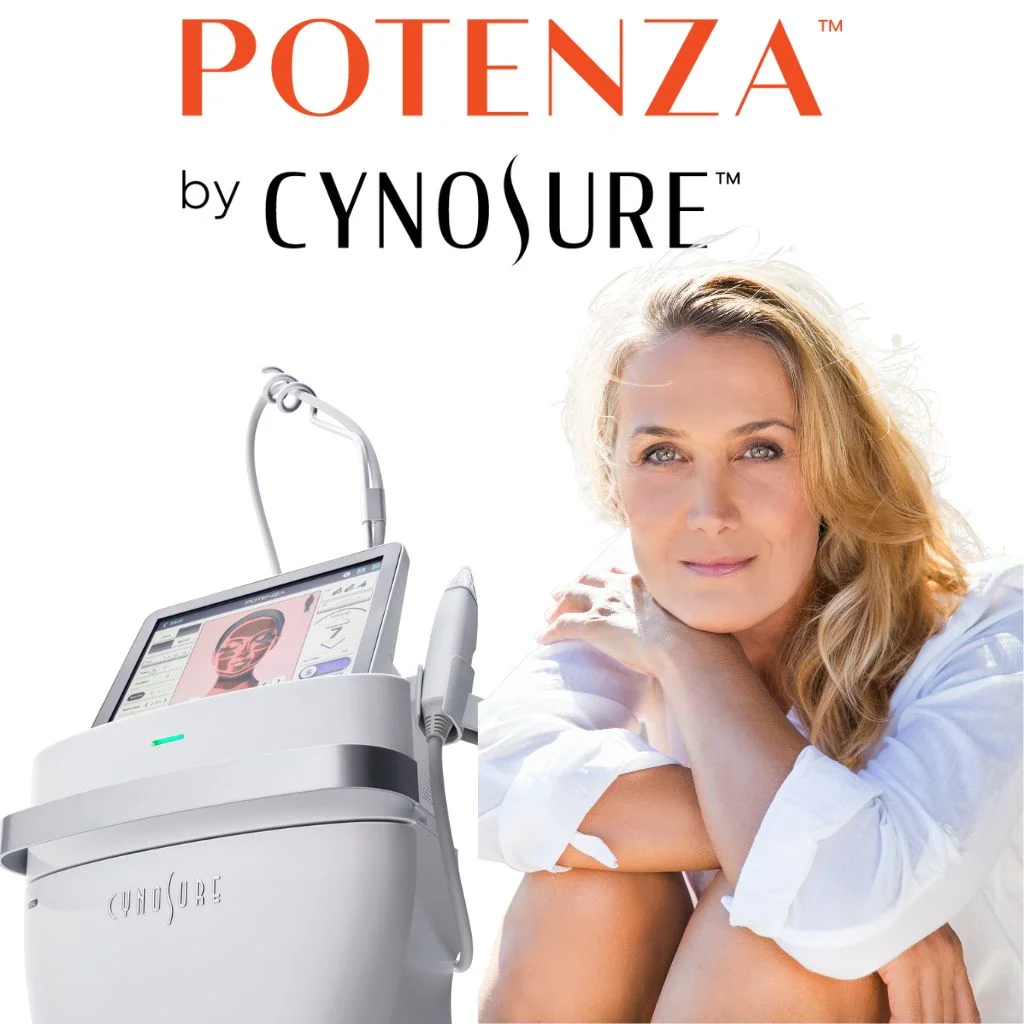
Microneedling RF Potenza®
Potenza RF Microneedling is commonly used to address concerns such as:
- Rides et ridules
- Cicatrices d'acné
- Skin texture irregularities
- Relâchement cutané
Following treatment, skincare recommendations may focus on:
- Hydration
- Barrier support
- Daily sun protection
Depending on individual needs, products such as hyaluronic acid serums, hydrating moisturizers, and sunscreen may be incorporated into a post-treatment skincare routine.
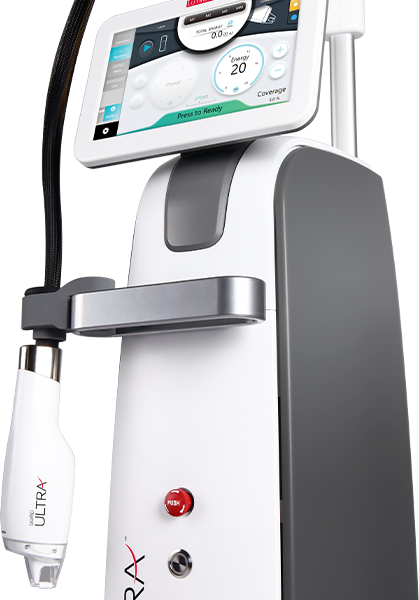
LaseMD ULTRA Laser Resurfacing
Laser resurfacing treatments are commonly performed to address concerns related to:
- Teint irrégulier
- Dommages causés par le soleil
- Texture irregularities
- Visible signs of aging
A unique feature of LaseMD is the application of topical preservative free nanosized molecules right after the channels are created and even after they have closed.
LaseMD ampoule series is uniquely designed for the CDS (Cosmeceutical Delivery System) approach as each ampoule has the minimum number of ingredients:
- VC Ampoule (Ascorbic Acid)
- VA Ampoule (Retinol)
- TA Ampoule (Tranexamic Acid)
- RS Ampoule (Resveratrol)
Following laser treatments, skincare routines are often simplified to prioritize:
- Skin comfort
- Hydration
- Sun protection
Products such as:
- EltaMD® sunscreens
- PCA Sérum booster d'acide hyaluronique
- B.E. Beautiful Energy Calm & Renew Serum
- B.E. Beautiful Energy Ultra-Hydrating Face & Eye Cream
may be incorporated into post-treatment skincare plans based on individual needs and provider recommendations.
En savoir plus sur ULTRA Laser Resurfacing.

XERF RF Skin Tightening
XERF RF Skin Tightening is designed to address skin laxity by delivering radiofrequency energy to multiple layers of the skin.
Although skincare products do not replicate the effects of radiofrequency skin tightening, a consistent skincare routine may help support overall skin quality and hydration.
Patients interested in skin rejuvenation often combine professional treatments with skincare products that focus on:
- Hydration
- Skin barrier support
- Antioxidant protection
- Visible signs of aging
Choosing the Right Medical-Grade Skincare Products
Rather than relying solely on online recommendations, many patients benefit from a personalized assessment that considers their unique concerns and priorities.
Whether your goal is improving hydration, addressing acne-prone skin, managing pigmentation concerns, or supporting healthy aging, a customized skincare plan can help simplify product selection and create a routine that is practical and sustainable.
FAQ
What is Medical-Grade Skincare?
Medical-grade skincare is a term commonly used to describe skincare products that are recommended and sold through physician-led clinics, dermatology clinics, and other licensed medical aesthetic practices.
These products often contain ingredients that are widely used in dermatology and aesthetic medicine, including:
- Hyaluronic acid
- Niacinamide
- Retinoids
- Peptides
- Azelaic acid
- Tranexamic acid
- Antioxidants
The goal of medical-grade skincare is not necessarily to create a more complicated skincare routine. Instead, it focuses on selecting products that align with a person’s skin type, skin concerns, and treatment goals.
Many patients seek medical-grade skincare when they are trying to address concerns such as:
- Acne and acne-prone skin
- Teint irrégulier
- Hyperpigmentation
- Rides et ridules
- Dry or dehydrated skin
- Peau sensible
- Sun-related skin changes
Because skin concerns can overlap, product selection is often individualized rather than based on a single “best” product.
Do I need a skincare consultation before purchasing products?
Not necessarily. Some patients already have a skincare routine and know exactly which products they are looking for.
However, a consultation may be helpful if you:
- Are unsure which products are right for your skin
- Have multiple skin concerns
- Are experiencing irritation from your current routine
- Want to support the results of cosmetic treatments
- Are looking to simplify your skincare routine
Why does daily sun protection matter?
Regardless of your skin type or skincare goals, daily sun protection remains one of the most important components of a skincare routine.
Ultraviolet (UV) exposure contributes to many common skin concerns, including:
Premature skin aging
Teint irrégulier
Hyperpigmentation
Dommages causés par le soleil
For this reason, sunscreen is commonly recommended as part of routines designed to address acne, pigmentation concerns, visible signs of aging, and post-treatment skincare.
EltaMD® sunscreen products offered at our clinic are available in formulations designed for a variety of skin types, including sensitive and acne-prone skin.
Consistent sunscreen use may also help support the long-term maintenance of results achieved through professional cosmetic treatments.
What is the difference between medical-grade skincare and over-the-counter skincare?
Medical-grade skincare products are typically sold through physician-led clinics, dermatology clinics, and licensed medical aesthetic practices. These products often contain ingredients commonly used in professional skincare routines and may be recommended as part of a personalized skincare plan.
The most important factor is not whether a product is labeled “medical-grade,” but whether it is appropriate for your skin concerns, skin type, and treatment goals.
Which medical-grade skincare products are best for acne-prone skin?
There is no single product that is best for every person with acne-prone skin.
Depending on the individual’s concerns, a skincare routine may include ingredients such as niacinamide, azelaic acid, retinoids, and sunscreen. Product recommendations are typically based on factors such as acne severity, skin sensitivity, pigmentation concerns, and current skincare habits.
Which ingredients are commonly used in anti-aging skincare products?
Many anti-aging skincare products contain ingredients such as:
- Hyaluronic acid
- Retinoids and retinol
- Peptides
- Antioxidants
- Niacinamide
These ingredients are commonly incorporated into skincare routines designed to address visible signs of aging, skin hydration, and overall skin quality.
Can I use medical-grade skincare after cosmetic treatments?
Many cosmetic treatments are followed by a simplified skincare routine focused on hydration, skin barrier support, and sun protection.
However, post-treatment skincare recommendations can vary depending on the procedure performed and the individual’s skin. Following your provider’s instructions is important to ensure that products are introduced at the appropriate time.
Can skincare replace cosmetic treatments?
The short answer is No.
Skincare and cosmetic treatments serve different purposes.
A consistent skincare routine may help support skin health and address certain concerns, while professional treatments may be used to target concerns such as skin laxity, acne scarring, pigmentation, or texture changes.
Many patients use both skincare and professional treatments as part of a comprehensive skin rejuvenation plan.
 FR
FR  EN
EN