
Pretty much everyone assumes that when they’re deciding between ablative vs. non-ablative lasers, they’re choosing between two options: “powerful” or “gentle.”
There’s actually a bit more nuance to the decision.
The question you should be asking is: What am I trying to treat?
Because if you use the wrong type of laser for your skin concerns, you’re almost guaranteeing one thing…
Sub-par results.
Keep These In Mind
Laser treatments rarely produce disappointing results.
They just don’t use the right kind of laser.
Here’s the breakdown:
Ablative lasers vaporize or remove the top layer of skin to improve the skin’s appearance → ideal for wrinkles, scars, and serious skin issues
Non-ablative lasers work underneath the skin’s surface to boost collagen and improve texture over time → ideal for maintaining skin quality
…but don’t misunderstand:
That’s not saying you need to have your whole face shaved off to get results.
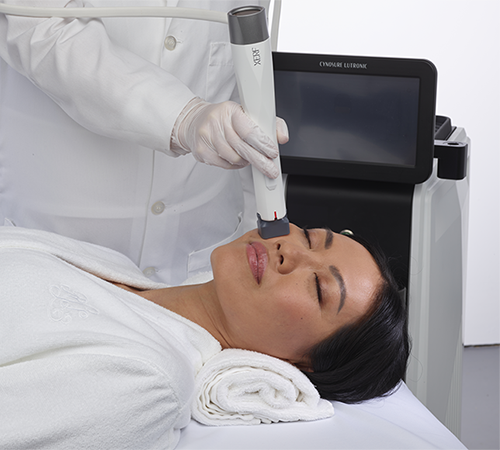
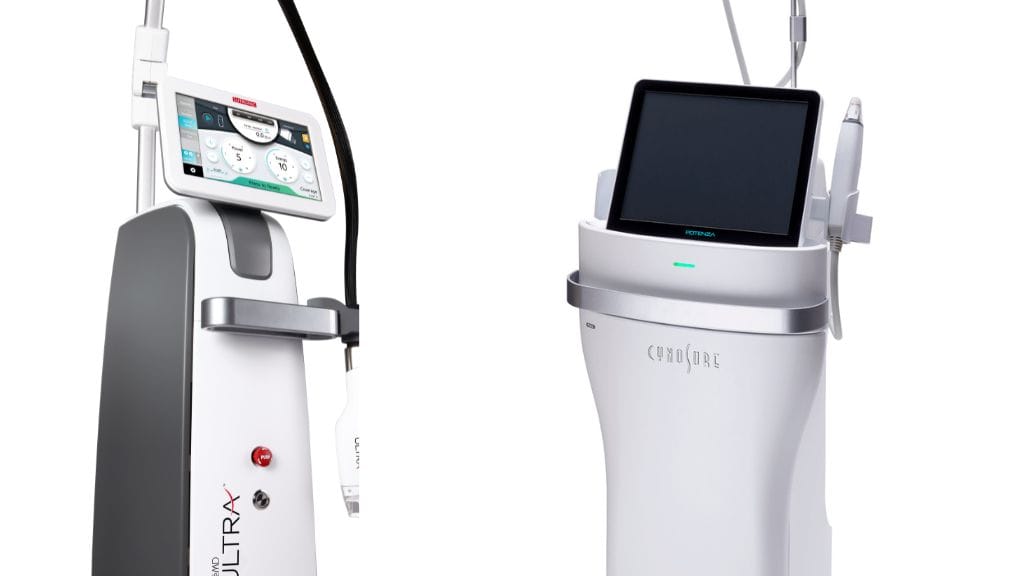
These newer fractional non-ablative lasers (like the Lutronic Ultra Laser ) are so advanced that they can improve your skin’s texture, tone, and collagen without serious downtime.
So ask yourself:
Do you want faster results with more recovery time… or gradual improvements that you can schedule around your lifestyle?
Once you have a clear idea of what you want out of treatment, the right choice becomes obvious.
What’s the Difference Between Ablative and Non-Ablative Lasers?
Ablative lasers work by vaporizing the top layer of skin to promote collagen growth and regeneration.
Non-ablative lasers work by heating the underlying layers of skin to stimulate collagen production.
Ablative = aggresive treatment with more downtime
Non-ablative = gradual improvements, minimum downtime
Why This Choice Matters More Than You Think
This isn’t trivia.
This will determine:
How much time you’ll spend recovering.
How your skin feels as it heals.
How long you’ll have to wait to see improvements.
Many patients in Ottawa, Limoges, Embrun, and Russell just don’t have the time for downtime. If you’re going to take two weeks off work… you’d better see a serious difference when you look in the mirror.
What Is an Ablative Laser?
Ablative lasers treat the skin by completely removing the top layers.
How do they work?
Essentially, ablative lasers vaporize the top layer of skin. Your body replaces that skin over time, resulting in:
- New collagen production
- Skin regeneration
- An improved texture
Common Ablative Lasers
- CO₂ Laser (10,600 nm)
- Er:YAG Laser (2940 nm)
- Fractional CO₂ Laser
These are the BIG three in terms of resurfacing.
What Skin Concerns Do They Treat?
Expect big improvements with these powerful lasers.
Do they have any limitations?
Yes, they do. While ablative lasers can yield faster results, they require more downtime. There are also risks of irritation or discoloration. These lasers aren’t for everyone.
What Is a Non-Ablative Laser?
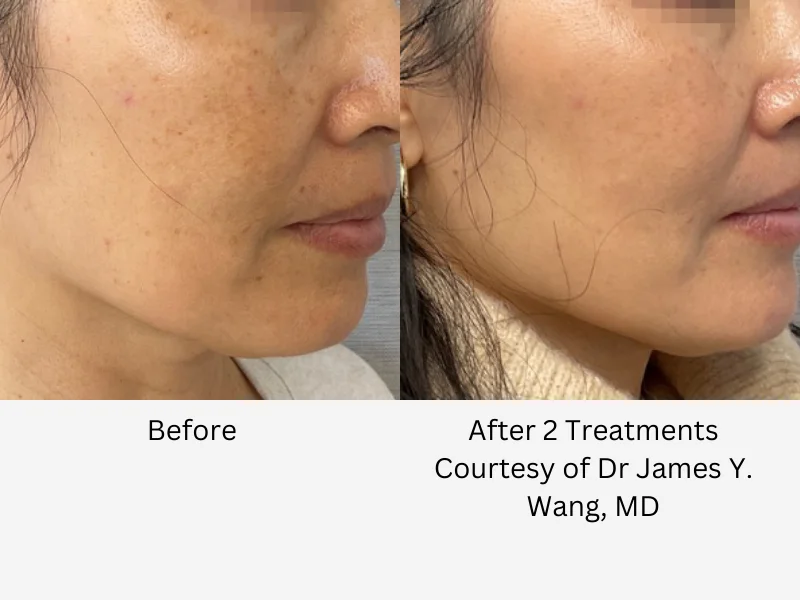
Non-ablative lasers also treat the skin by improving it at the cellular level, but they don’t remove the top layer.
How do they work?
Rather than cutting away layers of skin, non-ablative lasers heat up the deeper layers of skin to stimulate collagen production.
They essentially coax your skin into healing itself.
Common Non-Ablative Lasers:
- Nd:YAG Laser (1064 nm)
- Pulsed Dye Laser (PDL)
- Fraxel (1550 nm erbium glass)
- 1927 nm Thulium Laser ( e.g. Lutronic Ultra Laser )
These can all be considered non-ablative lasers for skin resurfacing.
There are other lasers that are technically non-ablative (like Alexandrite and Diode laser machines), but they’re most commonly used to treat unwanted hair or pigment… not for skin resurfacing. Some treatments that target toning issues such as the Cynosure Elite iQ use these lasers.
What Concerns Can Non-Ablative Lasers Help With?
This is better for things like:
- Skin Tone
- Texture
- Early Signs of Aging
- Sun Damage
Note: Many of these lasers can also be fractional, which allows your body to heal much quicker than traditional lasers.
Why Are Non-Ablative Lasers Popular?
Non-ablative lasers are gaining popularity because they’re ideal for busy people.
They allow you to maintain your normal routine while slowly seeing improvements over time.
No downtime.
Safe for all skin types.
Can be easily worked into your schedule.
It’s also much easier to slowly improve your skin’s quality than it is to recover from an intensive treatment and hope for the best.
What Types of Lasers Fall Into Each Category?
Lasers can be sorted into two categories based on:
- How they affect the skin
- How they’re administered
Ablative lasers remove the skin’s surface, while non-ablative lasers leave it intact.
Lasers are also either:
Full-field
OR
Fractional
- Full-Field Ablative Lasers
- CO₂ Laser
- Er:YAG Laser
These lasers remove your skin’s outer layer.
As you might have guessed, these are the most aggressive options.
- Fractional Ablative Lasers
- Fractional CO₂
Fractional ablative lasers still vaporize your skin… but they do so in tiny columns. Because they affect less of your skin at once, you heal faster and experience less downtime.
- Fractional Non-Ablative Lasers (The Modern Approach to Resurfacing)
- Fraxel (1550 nm erbium glass)
- Lutronic Ultra Laser (1927 nm thulium)
You’re probably noticing a trend here.
Fractional treatments are better than full-resurfacing because they allow your body to heal MUCH faster.
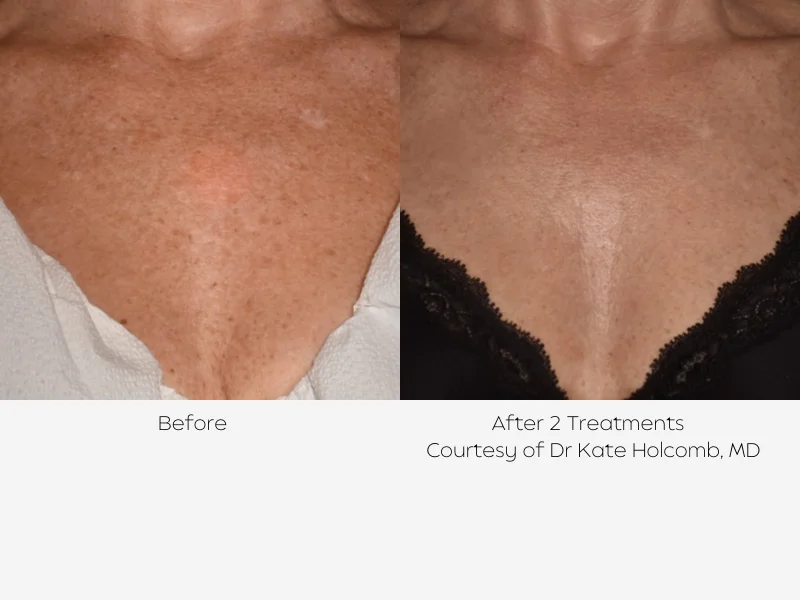
These lasers don’t remove the skin’s outer layer. Instead, they create micro-injuries that cause your body to kick collagen production into high gear.
This is the category most “modern” skin resurfacing treatments fall under.
- Non-Resurfacing Non-Ablative Lasers
- Nd:YAG
- Pulsed Dye Laser (PDL)
- Alexandrite
- Diode
These lasers do not improve skin texture. They’re better used to target pigment, blood vessels, or unwanted hair.
How Can You Tell Which Laser You Need?
If your skin looks dull but feels smooth to the touch…
These are almost always signs of pigmentation and uneven tone. Non-ablative lasers will likely be your best option.
If your skin doesn’t feel smooth when you run your finger across it…
Texture and serious sun damage require more intensive treatment. Fractional ablative treatments, and even some non-ablative options, can help.
If you don’t want any downtime, non-ablative lasers are the way to go.
And if you want to see serious results as fast as possible, you may want to explore ablative lasers.
How Long Will Your Results Take?
Ablative Lasers:
You’ll notice results faster, but you’ll need more time to recover. Plus, these usually take fewer treatments.
Non-Ablative Lasers:
You’ll see results over time. Downtime is minimal, but you’ll need more total sessions.
FAQs
Which laser treatment is better? Ablative or non-ablative?
Your goals. Ablative lasers can produce faster, more noticeable results, whereas non-ablatives are better for gradual improvement.
Are non-ablative lasers effective?
Absolutely! Non-ablative lasers work great for mild to moderate skin concerns. You’ll probably need a few sessions, but your skin’s texture and collagen will improve over time.
Which laser treatment has the least downtime?
Treatments that don’t cut or burn off the top layer of skin. Non-ablatives have the least downtime, but fractional treatments (which can be either ablative or non-ablative) are typically the best.
How many treatments will I need?
Typically, 3-6 sessions are needed, although non-ablative treatments usually require more total sessions.
Are laser treatments safe for darker skin?
Non-ablative laser treatments are typically safe for all skin tones when performed by a trained professional. Ablative lasers have more risk for pigmentation and other issues.

Dr. Lian Peter, MD, MPH, CCFP, is a Family physician with a passion for aesthetics. In her aesthetic clinic, she provides a wide range of minimally invasive and non-invasive procedures, constantly honing her skills to deliver exceptional care and help patients attain their desired appearance.
 EN
EN  FR
FR