Loose skin rarely shows up overnight.
It’s usually subtle at first. A softer jawline. Skin that feels softer, looser, a little less resilient than before. Makeup settling differently. Photos feeling less forgiving.
If you’re looking into non-surgical skin tightening, chances are you’re aiming for subtle improvement rather than a dramatic transformation. You want improvement that looks natural.
And you want to understand your options without being pushed toward a single device.
That’s exactly what we’ll do here.
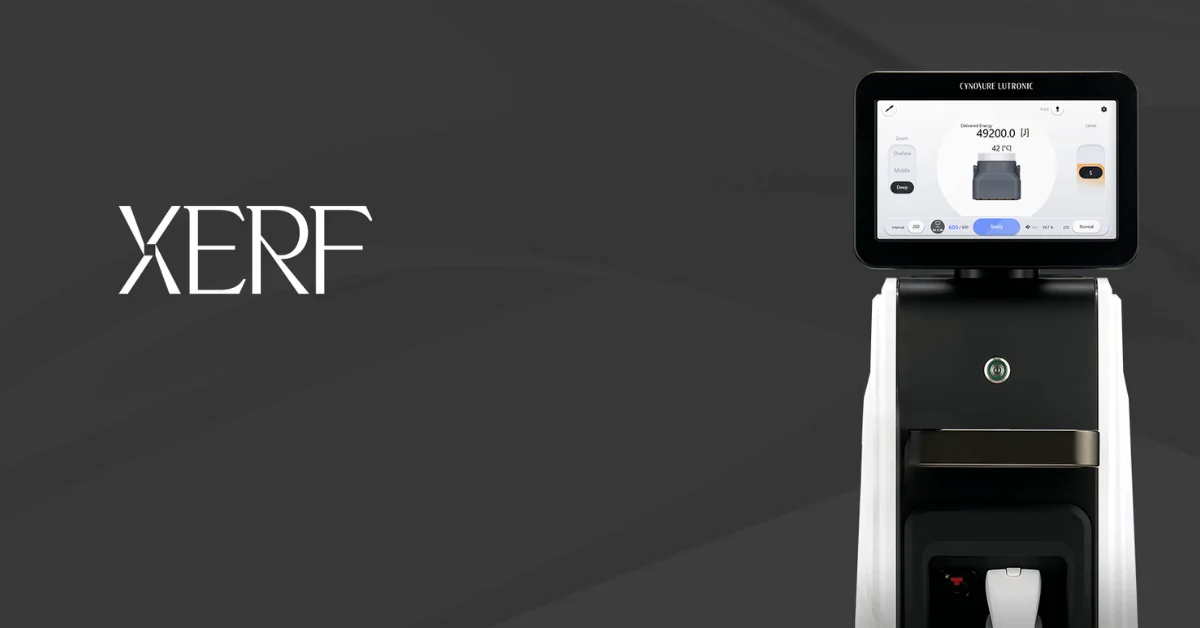
We’ll explain how non-surgical skin tightening works, outline today’s most common technologies like Ultherapy, Thermage, RF microneedling, and Cynosure XERF, and explore how to choose an approach that aligns with your skin, your stage of ageing, and what you want to achieve.
Key takeaways
- Non-surgical skin tightening is about gradual improvement, not dramatic lifting. Improvements develop gradually and are closely tied to how your skin responds and what you realistically expect from treatment.
- There is no single “best” treatment. Results are influenced by factors like age, skin structure, how much laxity is present, and where treatment is performed, not simply which device is used.
- Radiofrequency, ultrasound, and RF microneedling each work in different ways.The most appropriate treatment depends on how your skin is behaving right now, not where it ‘should’ be based on age alone.
- Early signs of laxity often respond well to treatments that support collagen activity, while more noticeable looseness may call for deeper energy delivery or a layered approach.
- Innovation in skin tightening has evolved globally, but Canadian patients now have access to refined, clinically adopted technologies closer to home.
- Consultation matters more than technology. Careful assessment and ongoing follow-up are what transform a piece of technology into a meaningful treatment outcome.
- At our Eastern Ontario clinic, radiofrequency skin tightening with Cynosure XERF is one of the non-surgical options available for patients who want gradual, natural-looking firmness without significant downtime.
What Non-Surgical Skin Tightening Actually Does
Non-surgical skin tightening works differently than surgical lifting.
Rather than repositioning tissue, these treatments deliver controlled energy below the skin’s surface to stimulate collagen renewal, which over time, improves firmness, elasticity, and overall skin quality.
The key phrase here is over time.
Results are gradual. Subtle. Cumulative.
That’s why expectations matter more than technology.
The Main Technologies Used For Skin Tightening Today
There are multiple established approaches to non-surgical skin tightening, each operating in its own way, and none that outperform all others in every situation.
Radiofrequency based treatments
Radiofrequency technology works by applying controlled heat to encourage collagen tightening and regeneration.
This category includes:
- RF microneedling
- Surface RF systems
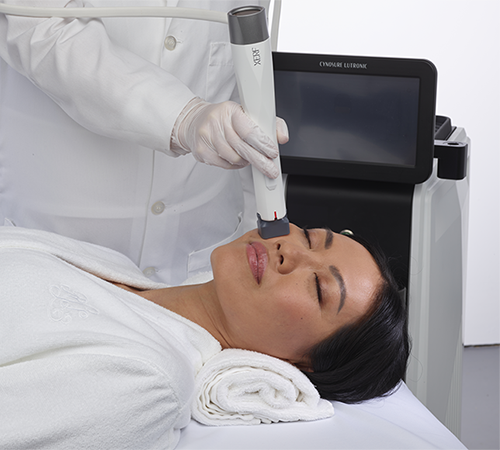
- Advanced RF platforms like Cynosure XERF
Many patients consider RF treatments for their relative comfort, flexibility across treatment areas, and the subtle, progressive nature of the results.
Ultrasound-based treatments (Ultherapy)
Ultherapy uses focused ultrasound to reach deeper tissue layers and is more commonly associated with structural lifting, especially in areas like the brow and jawline.
Some patients appreciate the depth it can reach. Others find comfort and recovery more challenging.
Ultherapy is generally better suited to specific patient profiles rather than being a universal solution.
Why No Single Treatment Is “Best” For Everyone
This is where many explanations about skin tightening start to get confusing.
It’s easy to list different machines. It’s harder to explain how skin changes over time, and what it can actually respond to at different ages.
Skin tightening is not the same problem for everyone. It changes as your skin changes.
What matters most is not the name of the treatment, but a few key things working together:
- Age, and how active collagen still is
- How loose the skin truly is, not just how it looks in photos
- Where the treatment is being done, because the face, neck, and body behave differently
- Whether the goal is to slow early changes or improve visible looseness
Someone in their early 30s with mild looseness usually still has skin that stretches and springs back fairly well.
At that stage, treatment is often about helping the skin stay strong and healthy. The changes are small, and the treatments are usually gentle.
By the mid-40s and 50s, skin tends to act differently. Collagen loss becomes more noticeable, and looseness feels more settled instead of coming and going.
This is when treatment depth starts to matter more.
The skin may no longer respond much to surface-level treatments alone. Things like skin thickness, face shape, and how much recovery time someone is comfortable with can affect results more than age by itself.
Later on, goals often shift again.
Non-surgical treatments can still improve firmness and skin quality, but they are usually not about big lifting changes.
The most effective plans at this stage are careful and realistic, sometimes using more than one approach, based on what the person actually wants to improve.
The main point is simple, even if the choice isn’t.
Using the exact same treatment in the same way for a 32-year-old and a 58-year-old doesn’t make sense.
Not because one option is better than another, but because skin doesn’t age in a straight line.
Good results come from understanding that difference and working with it.
A Simpler Way To Think About Choosing The Right Option
Rather than asking “Which treatment is best?”, we encourage you to ask a different question.
“What does my skin actually need at this point?”
Early changes and prevention
For patients noticing early softness or loss of firmness, treatments that support collagen signaling tend to make the most sense.
This is where RF-based options, including systems like Cynosure XERF, are often considered.
The goal isn’t lifting.
It’s slowing visible aging and improving skin resilience.
Moderate laxity and structural change
As laxity becomes more noticeable, treatments that deliver energy deeper into the tissue are often considered.
This may include focused ultrasound or more advanced radiofrequency systems, depending on facial structure, skin thickness, and comfort tolerance.
At this stage, the goal is usually improved firmness and support rather than visible lifting.
Non-surgical options can help the skin feel tighter and more resilient, but they do not reposition tissue in the way surgery does.
Devices such as multifrequency RF platforms, including Cynosure XERF, are sometimes chosen here because they are designed to heat tissue at multiple depths while maintaining a gradual, conservative approach.
Texture (And Firmness) Concerns
When concerns extend beyond laxity to include uneven texture, early scarring, or enlarged pores, treatment selection often shifts toward options that affect more than one skin layer.
RF microneedling is sometimes explored in these cases because it combines thermal energy with controlled micro-injury.
Non-invasive RF systems may also be considered when the priority is improving overall skin quality alongside firmness, particularly for patients who prefer to avoid needles or extended recovery.
In these situations, technologies like Cynosure XERF can play a role by supporting collagen remodeling while also addressing surface-level skin quality over time.
Where Innovation Fits In
Some of the most meaningful advances in non-surgical skin tightening over the past decade have come out of South Korea.
Not because the treatments are trend-driven.
But because the approach to skin health there tends to be methodical, conservative, and long-term focused.
Technologies are tested, refined, and adopted only once they show consistent, reproducible results across a wide range of skin types.
What matters more is what happens after that phase.
Canada has historically been slower to adopt new aesthetic technologies.
And that is not a drawback.
It means the devices that do make their way here tend to be the ones with a clearer safety profile, stronger clinical data, and more predictable outcomes.
For patients, that translates into fewer experiments and more dependable treatment options.
Today, patients living in Eastern Ontario, including the United Counties of Prescott and Russell, can benefit from this global progress without travelling to major urban centres or overseas clinics.
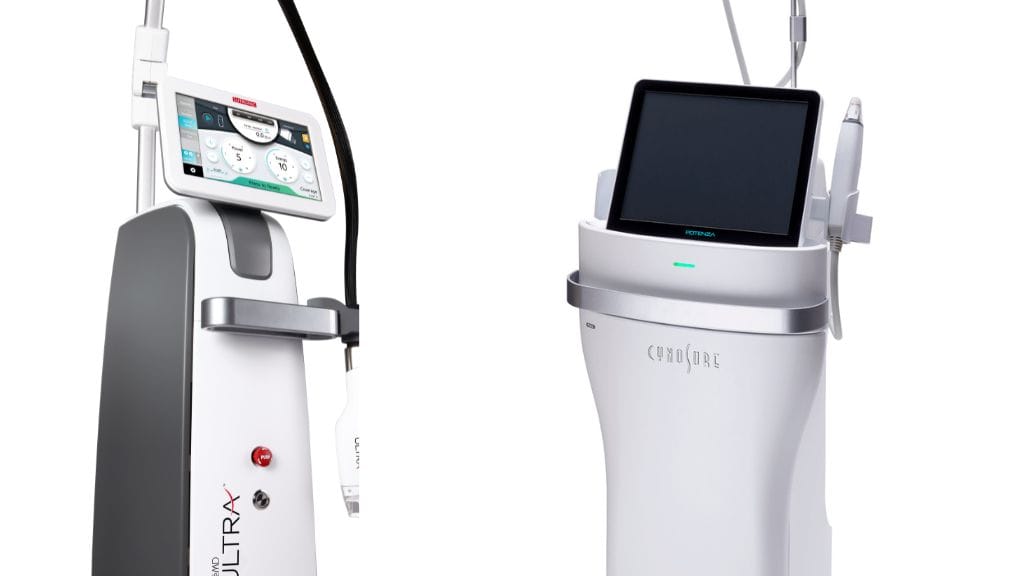
Advanced RF-based skin tightening systems, influenced by these international developments, are now available locally in physician-led settings.
With proper consultation and follow-up built into the care process.
In practical terms, this means access to modern skin-tightening approaches.
Approaches that reflect years of refinement. Delivered close to home.
And adapted to the needs of Canadian patients, and Canadian skin concerns.
What Results Typically Look Like
This is important to say plainly.
Non-surgical skin tightening results:
- Appear gradually
- Improve over weeks to months
- Look natural rather than obvious
- Vary from person to person
Some patients notice subtle firmness within weeks. Others see changes later as collagen remodeling continues. Maintenance treatments are often part of long-term skin care planning.
Why Consultation Matters More Than Technology
You will see excellent outcomes with different devices. You will also see disappointment when expectations aren’t aligned.
That’s why consultation comes first.
A proper assessment looks at:
- Skin thickness and elasticity
- Facial structure
- Lifestyle factors
- Long-term goals
Only then does it make sense to talk about specific treatments.
Skin Tightening In Eastern Ontario
Our clinic is based in Limoges, and we regularly see patients from Embrun, Russell, Casselman, and Ottawa.
Many people prefer receiving advanced treatments in a quieter, physician-led setting, especially when care involves multiple sessions and follow-up.
Non-surgical skin tightening isn’t a one-size-fits-all decision. And it shouldn’t feel rushed.
Learning More About Your options
If you’re still exploring whether non-surgical skin tightening makes sense for you, we recommend starting with education, not commitment.
You can learn more about our approach to skin tightening treatments in the UCPR, Eastern Ontario, including how radiofrequency-based options like Cynosure XERF fit alongside other technologies, by visiting our main treatment page for this skin concern.
When you’re ready, a consultation can help clarify what’s realistic for your skin and what path makes the most sense going forward.

Dr. Lian Peter, MD, MPH, CCFP, is a Family physician with a passion for aesthetics. In her aesthetic clinic, she provides a wide range of minimally invasive and non-invasive procedures, constantly honing her skills to deliver exceptional care and help patients attain their desired appearance.
 EN
EN  FR
FR